Showing Posts From
Japanese cuisine
- 09 Mar, 2026
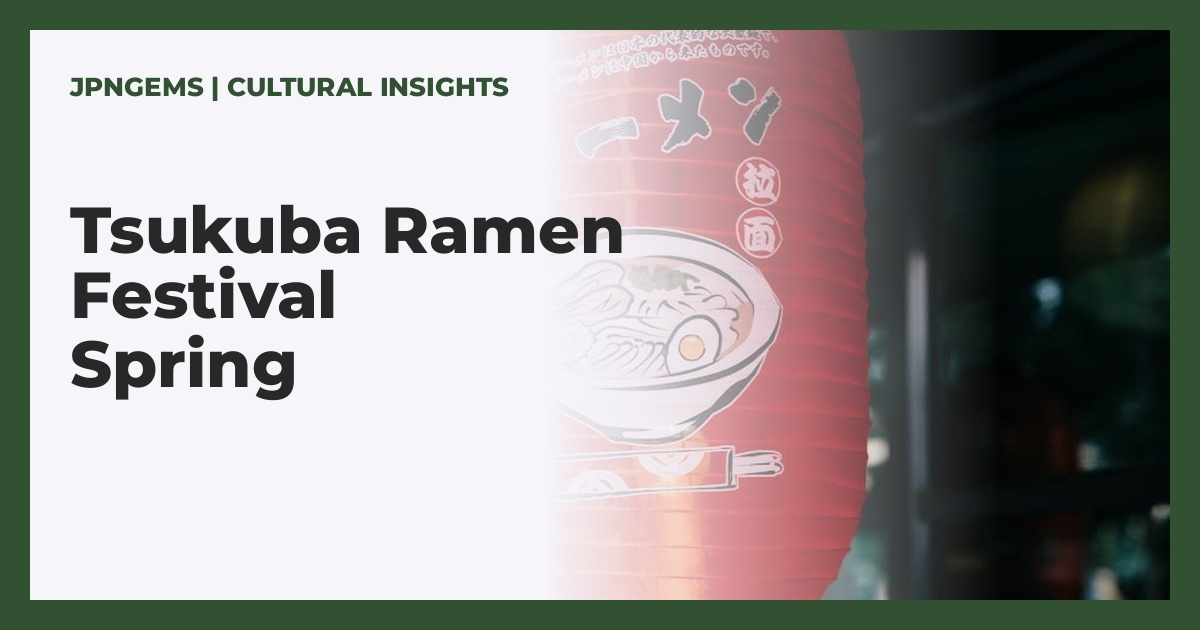
Tsukuba Ramen Festival Announces Spring Event Lineup
Curator's Note: One of Japan's larger ramen events is slated for Tsukuba. Ramen holds a distinct place within Japanese culinary traditions, and for those with an appreciation for it, the opportunity to experience renowned establishments and exclusive collaborations, all within reach of Tokyo, could be quite compelling.The upcoming "Dai Tsukemen Haku Presents Tsukuba Ramen Festival" is expected to bring a focused culinary experience to Kenkyu Gakuen Ekimae Koen in Tsukuba City, Ibaraki Prefecture. Produced by Dai Tsukemen Haku, an organization that has notably drawn over three million visitors to its various ramen-focused endeavors, this event suggests a certain level of expertise in curating such gatherings. Its location in Tsukuba, while not central Tokyo, offers an accessible destination for those seeking a dedicated exploration of regional ramen styles. Scheduled across two distinct waves in March 2026, the festival is said to feature around 20 booths, including several unique collaboration shops. This two-part structure, with the first wave running from March 13th to 15th and the second from March 19th to 22nd, could allow for a broader representation of culinary perspectives. The concept of collaboration shops, where renowned establishments merge their culinary approaches, often yields dishes that are not available elsewhere, presenting a specific draw for enthusiasts. The initial wave of participating ramen shops reportedly includes a diverse selection. One might anticipate a range from 衝青天's Hiroshima oyster salt ramen, which suggests a delicate brininess, to 味噌麺処 花道庵's Michelin Bib Gourmand miso ramen, indicating a certain standard of quality in a more robust flavor profile. Other notable mentions include つけ麺和 with its Nodoguro dashi tsukemen, focusing on a rich broth from blackthroat seaperch, and inEZO's Sapporo miso, which is said to incorporate potato, offering a textural and regional twist. This selection hints at a thoughtful curation, aiming to showcase the breadth of regional Japanese ramen. The second wave continues this exploration with shops like らあめん元, known for Matsusaka beef and niboshi salt ramen, suggesting a blend of luxurious ingredient and traditional dashi. 仙臺くろく is expected to offer a shellfish dashi with thinly sliced beef tongue, a combination that could provide a distinct umami experience. Furthermore, the inclusion of ど・みそ, which specializes in a rich miso ramen featuring five blended misos, underlines the festival's commitment to presenting varied and deeply flavored interpretations of the dish. Beyond ramen, the festival is also set to include booths featuring popular gyoza varieties from across Japan, such as those from 一品香 小山餃子 and 元祖ぎょうざ苑. This addition suggests a broader culinary appeal, offering a complementary experience to the main ramen focus. A special stage with performances by comedians and idols like AMEMIYA and 電撃ネットワーク is also planned. While not the primary draw for a culinary event, such elements can contribute to a lively atmosphere, potentially enhancing the overall experience for attendees.**Event Information:** - **Event Name:** 大つけ麺博Presentsつくばラーメン祭 (Dai Tsukemen Haku Presents Tsukuba Ramen Festival) - **Producer:** 大つけ麺博 (Dai Tsukemen Haku) - **Location:** 研究学園駅前公園 (Kenkyu Gakuen Ekimae Koen), Tsukuba City, Ibaraki Prefecture - **Dates:** - First Wave: March 13 (Fri) - March 15 (Sun), 2026 - Second Wave: March 19 (Thu) - March 22 (Sun), 2026 - **Operating Hours:** 11:00-20:00 (March 13 & 19: 17:00-20:00) - **Features:** Approximately 20 booths, including unique collaboration ramen shops, popular gyoza selections from across Japan, and special stage performances.References & Where to Buy
- 28 Feb, 2026
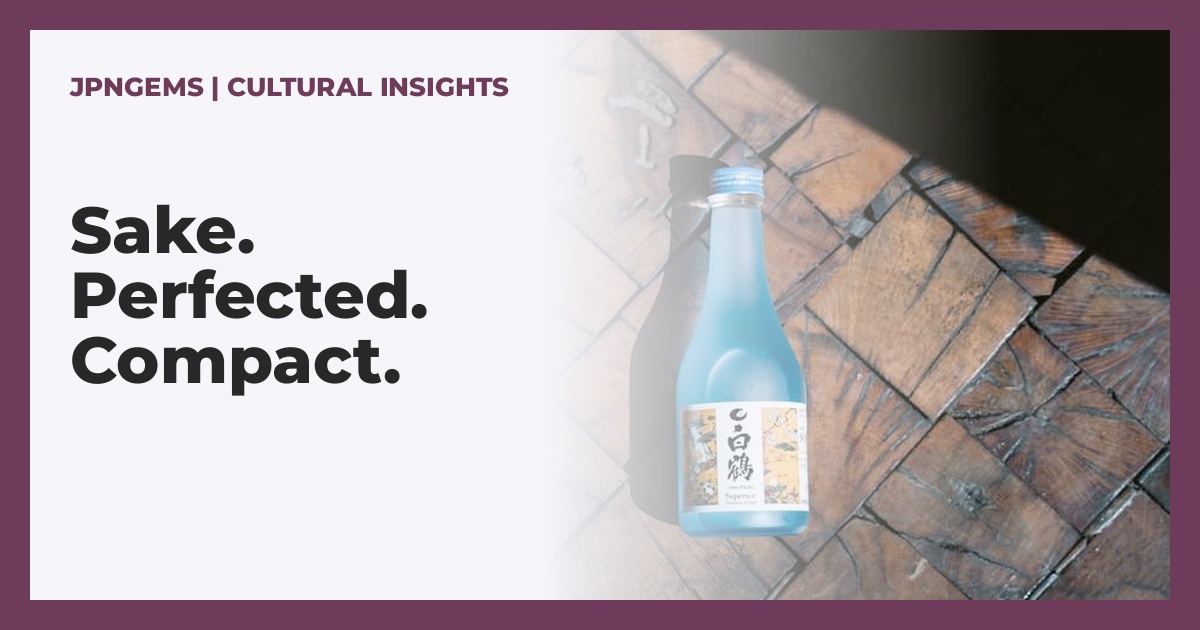
Compact Sake Cellar Sakaryu Offers Precision Storage
Curator's Note: A compact cellar specifically designed for sake is set to emerge, developed in collaboration with a respected, long-established brewery. This initiative aims to allow enthusiasts to experience sake at its optimal condition.The enjoyment of sake, much like wine, is often enhanced by its serving temperature. While traditional refrigeration can suffice for casual consumption, those who appreciate the nuances of a fine brew understand the value of precise temperature control. It is with this in mind that we note the upcoming release of サカリュエ -盃- (Sakaryu -Sakazuki-), a compact "Japanese cellar" designed with sake connoisseurs in mind. One of its defining features is the ability to store traditional isshoubin (1.8-liter sake bottles) vertically. Unlike many standard wine cellars, which often require these taller bottles to be laid horizontally or simply don't accommodate them, Sakaryu is said to offer a flexible interior layout that can house up to four isshoubin upright. This thoughtful consideration addresses a practical challenge for sake enthusiasts, ensuring bottles remain stable and sediment undisturbed. Despite this specialized capacity, the unit maintains a relatively modest height of 83cm, suggesting it could integrate into various living spaces without dominating the room. For those with broader tastes, the interior configuration is also expected to allow for the storage of up to 22 standard wine bottles. According to the developers, the Sakaryu employs a compressor cooling system, which often provides stable and consistent temperature maintenance. Its control mechanism is particularly noteworthy: a touch panel allows for adjustments across a precise range of approximately 0°C to 22°C, with increments as fine as 0.1°C. This level of granular control is significant, as different sake varieties, from a crisp ginjo to a robust junmai, often reveal their best profiles within very specific temperature windows. Such precision could allow for a more intentional appreciation of each bottle's characteristics. A subtle visual element is also expected to be the yamabuki-iro, or golden-yellow, frame, a color that evokes a sense of traditional Japanese aesthetics without being overtly decorative. This design choice appears to aim for a quiet elegance. The initial launch of Sakaryu -Sakazuki- is also marked by a collaboration with Sasunokawa Shuzo, a long-established sake brewery. This partnership will reportedly offer a special set that includes a limited original label edition of their "Yamazakura" Junmai-shu, adding an element of curated experience. This particular offering is currently designated as a special return for a limited number of 30 individuals participating in a crowdfunding project on Kibidango.**Product Details:** - **Name:** サカリュエ -盃-(s2421) - **Price:** *To be determined via crowdfunding project* - **Release:** 2026年2月19日

- 26 Feb, 2026
Kototoya Celebrates Spring Picnics with Onigiri Collection
Curator's Note: Kototoya is launching a campaign focused on onigiri for the spring picnic season. Onigiri is an essential part of Japanese picnics, offering a delightful range from simple salted rice balls with nori to those filled with various ingredients.As the days lengthen and a certain warmth begins to hint at spring, the thought of outdoor excursions naturally turns to what one might pack. For many in Japan, the answer often involves onigiri. Kototoya, a food select shop known for its thoughtful curation, is embracing this tradition with its "Enjoy Onigiri" collection, designed to elevate the experience of preparing these versatile rice balls at home. This initiative, rolling out from mid-February 2026 across its 19 stores, aligns with Kototoya's broader mission to connect consumers with the stories and efforts of smaller producers, fostering a deeper appreciation for the ingredients themselves. At the heart of this collection are the essentials: carefully selected nori and a variety of fillings. What particularly stands out is the "Ouchi de Bongo" series, a collaboration with the celebrated onigiri specialist, "Onigiri Bongo." The concept here is straightforward yet appealing: bringing the distinctive taste of a revered establishment into one’s own kitchen. This series offers seven types of jarred ingredients, meticulously chosen from Bongo's popular menu for their ability to be authentically replicated at home. It’s a considered approach to convenience, allowing one to enjoy a culinary benchmark without leaving the house. Beyond the onigiri fillings, the "Ouchi de Bongo" range also thoughtfully includes nori suitable for miso soup, suggesting a more holistic approach to home dining. The selection extends further, recognizing the nuances of onigiri preparation. There’s "Onigiri no Okome," a rice specifically recommended for crafting these rice balls, alongside vacuum-sealed two-go portions of rice, which could serve as a considered gift. The range of fillings covers both traditional preferences, such as salmon and pickled plum (ume), and more contemporary options, like a mix for creating chumoppa, a Korean-style onigiri. This variety reflects a practical understanding of diverse palates and preparation methods, acknowledging that onigiri can be both a comforting staple and an avenue for culinary exploration. Kototoya’s consistent effort to unearth products from small-scale producers and its collaborations with local governments for product development underscore its role as more than just a retailer; it acts as a conduit for regional flavors and craftsmanship.**Planning Details:** - **Name:** Kototoya "Enjoy Onigiri" Collection (こととや「おにぎりを愉しむ」企画) - **Price:** Pricing varies by product. - **Period:** Mid-February 2026 ~

- 25 Feb, 2026
Seaweed Summit Kyoto: Cultivating the Future of Ocean Food
Curator's Note: A symposium focused on seaweed is scheduled to take place in Kyoto on March 8th. In Japan, seaweed extends beyond its role in sushi, appearing as a staple like wakame in daily miso soup. This event is expected to delve into the sustainable cultivation of seaweed, offering a valuable perspective for those tracking developments in this area.On March 8, 2026, Kyoto is set to host an inaugural symposium, "The 1st Seaweed Summit: Sea, Food, and Future from the Perspective of Seaweed," with a clear objective: to address the decline of seaweed beds through consumption. This event, supported by the Nippon Foundation, is poised to gather a diverse assembly of culinary professionals, marine researchers, producers, corporate representatives, local government officials, and media. The concept of "eating to save" may seem counterintuitive at first glance, but it speaks to a proactive approach in marine conservation, aiming to foster sustainable harvesting and cultivation practices. The symposium is expected to unfold across four distinct sessions, each focusing on key themes: identifying current challenges, exploring potential solutions, understanding the culinary perspective, and showcasing various initiatives already underway. This structured approach suggests a comprehensive examination of the topic, moving from problem identification to actionable strategies. A notable aspect of the summit is the involvement of leading figures from the culinary world. Renowned chefs such as Takahashi Takuji, Namae Shinobu, Willy Monroy, and Nakamura Genkei are among those expected to contribute to a special tasting session. This inclusion underscores seaweed's versatility and its potential as a sophisticated ingredient, moving beyond its traditional roles in Japanese cuisine to inspire new culinary directions. The opportunity to sample dishes crafted by these individuals offers a tangible connection to the symposium's core message: that seaweed can be both a solution to environmental concerns and a source of gastronomic innovation. Beyond the kitchen, the intellectual discourse is anticipated to be robust, with speakers like Murata Yoshihiro of Kikunoi, Arai Shogo from the Seaweed Research Institute, Professors Ishida Masayoshi and Kamatani Kaoru of Ritsumeikan University, and Haga Hikaru from Otsuchi Town, Iwate Prefecture. Their presence highlights the interdisciplinary nature of the challenge and the collaborative spirit necessary to address it. A standing reception is also planned, designed to facilitate networking among the 150 attendees, fostering connections over a spread of seaweed-based dishes. This environment suggests an intention to build a community around the cause, encouraging ongoing dialogue and cooperation. The event is co-hosted by the Ocean Forest Project and Good Sea General Incorporated Associations, further emphasizing the collaborative effort behind this initiative.**Event Details:** - **Name:** The 1st Seaweed Summit: Sea, Food, and Future from the Perspective of Seaweed - **Price:** 3,000 yen (includes food tasting) - **Date:** March 8, 2026 (Sunday)

- 24 Feb, 2026
Miyagi Prefecture Wagyu and Rice Fair: A Refined Culinary Showcase
Curator's Note: This presents a valuable opportunity to experience top-tier wagyu and rice from Miyagi Prefecture, a renowned rice-producing region, conveniently in Tokyo and Osaka. For those planning a visit to Japan between March 1st and April 25th, 2026, this fair is an occasion to taste authentic regional specialties.From March 1st to April 25th, 2026, JA Zen-Noh's direct-operated dining establishments in Tokyo and Osaka are scheduled to host the "Miyagi Prefecture Wagyu and Rice Fair." This event is designed to present two of Miyagi's acclaimed agricultural products: Sendai Beef and the brand rice, Hitomebore. It offers a focused occasion to appreciate the synergy of expertly cultivated meat and rice. Sendai Beef, as described, is characterized by a notably soft texture and a mellow flavor, complemented by rich juices. This particular balance is, in my assessment, what elevates it within the wagyu spectrum; it suggests a richness that is not overwhelming, allowing the inherent qualities of the beef to be fully appreciated. One often seeks a certain refinement in wagyu, and the description of Sendai Beef points to that careful cultivation of flavor and mouthfeel. Accompanying this, the fair will feature Hitomebore rice, a brand that has been consistently popular for over three decades. Its reputation stems from a comprehensive balance of stickiness, luster, umami, and aroma. In Japanese cuisine, the quality of rice is paramount, often considered as important as the main dish itself. A rice like Hitomebore, with its well-rounded profile, is expected to provide an ideal foundation, enhancing the experience of the wagyu without competing with its delicate flavors. It is this thoughtful pairing—a robust yet refined beef alongside a balanced, aromatic rice—that often defines a memorable meal. The fair is expected to offer special menus crafted around Sendai Beef, and all rice served during the event will be Hitomebore. This approach ensures a cohesive culinary narrative, allowing guests to experience the intended harmony of these two premium ingredients. Furthermore, for those who wish to extend their experience beyond the restaurants, the ingredients featured in the fair are said to be available for purchase through JA Town’s "Town Shop Miyagi." This offers a direct connection to the source, a detail I find particularly valuable for those interested in the provenance of their food. The participating restaurants include Minoru Shokudo Mitsukoshi Ginza Store, Wagyu to Gohan Yakiniku Jun Hirakata City Hall Mae Store, and Wagyu to Gohan Yakiniku Jun Osaka Dome City Store.**Event Details:** - **Name:** Miyagi Prefecture Wagyu and Rice Fair (宮城県産 和牛とお米のフェア) - **Price:** Varies by menu item - **Period:** March 1, 2026 (Sunday) – April 25, 2026 (Saturday)